 Playable Books
Continue reading
A NEW WAY INTO MUSIC BOOKS
What if you could press play on a music textbook?
Read classic music books. Hear the examples. Follow every note on the original page.
THE PUBLIC LIBRARY
Find your next idea.
Fifteen books to read, hear, and return to.
Free to explore. No account needed.
Ready
-
Counterpoint
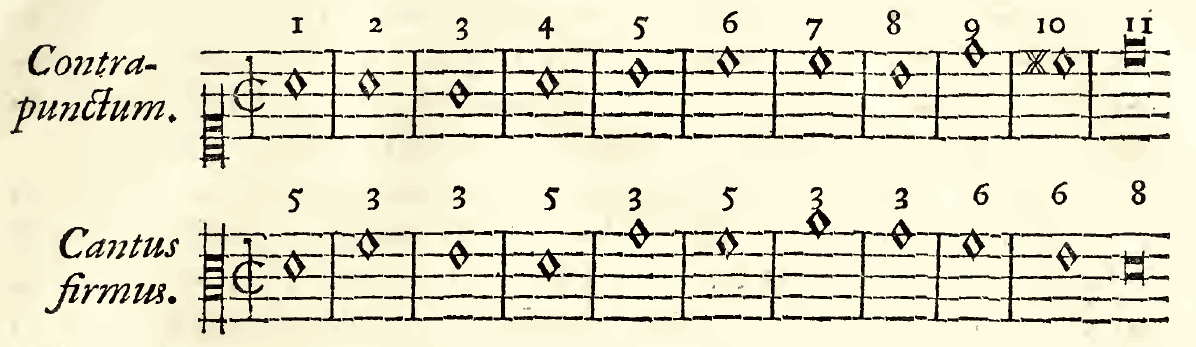
Analysis of J. S. Bach’s Forty-Eight Fugues
Follow Prout through all 48 fugues of the Well-Tempered Clavier, every example playable.
Verified 112 of 112 examples playable
Open book -
Harmony
Guide to the Practical Study of Harmony
Tchaikovsky’s Moscow Conservatory harmony course, with playable examples.
Verified 366 of 366 examples playable
Open book -
Harmony
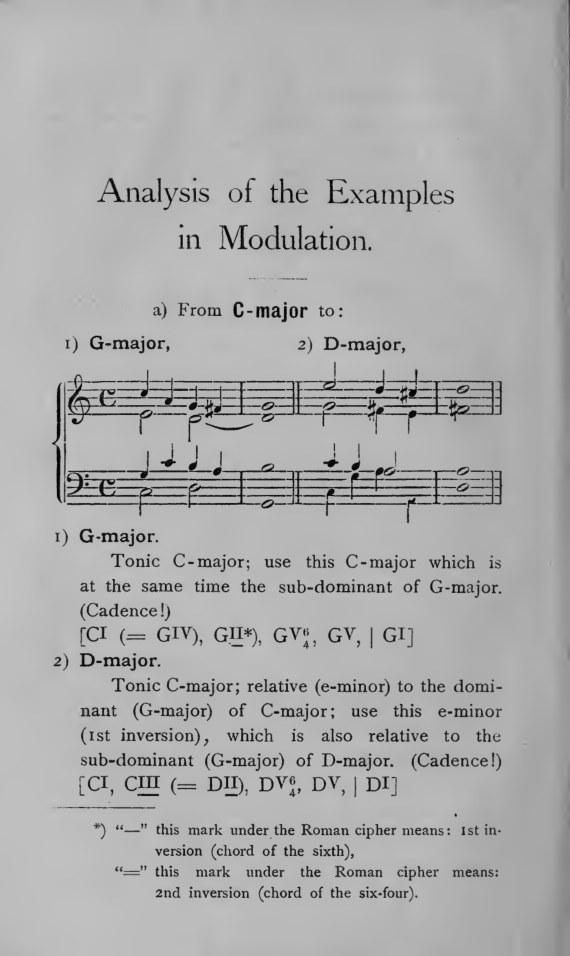
Supplement to the Theory of Modulation
Explore Reger’s modulation method with 100 analyses and 102 playable examples.
Verified 102 of 102 examples playable
Open book -
Jazz
Arrival
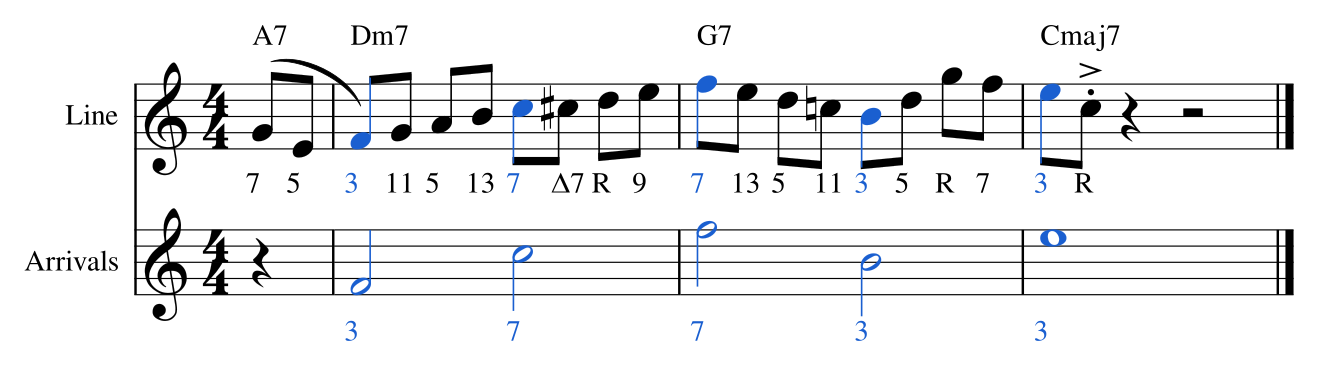
Build jazz lines that land, with 30 original playable examples.
Verified 30 of 30 examples playable
Open book -
Rhythm
Complete Method for Rhythmical Articulation
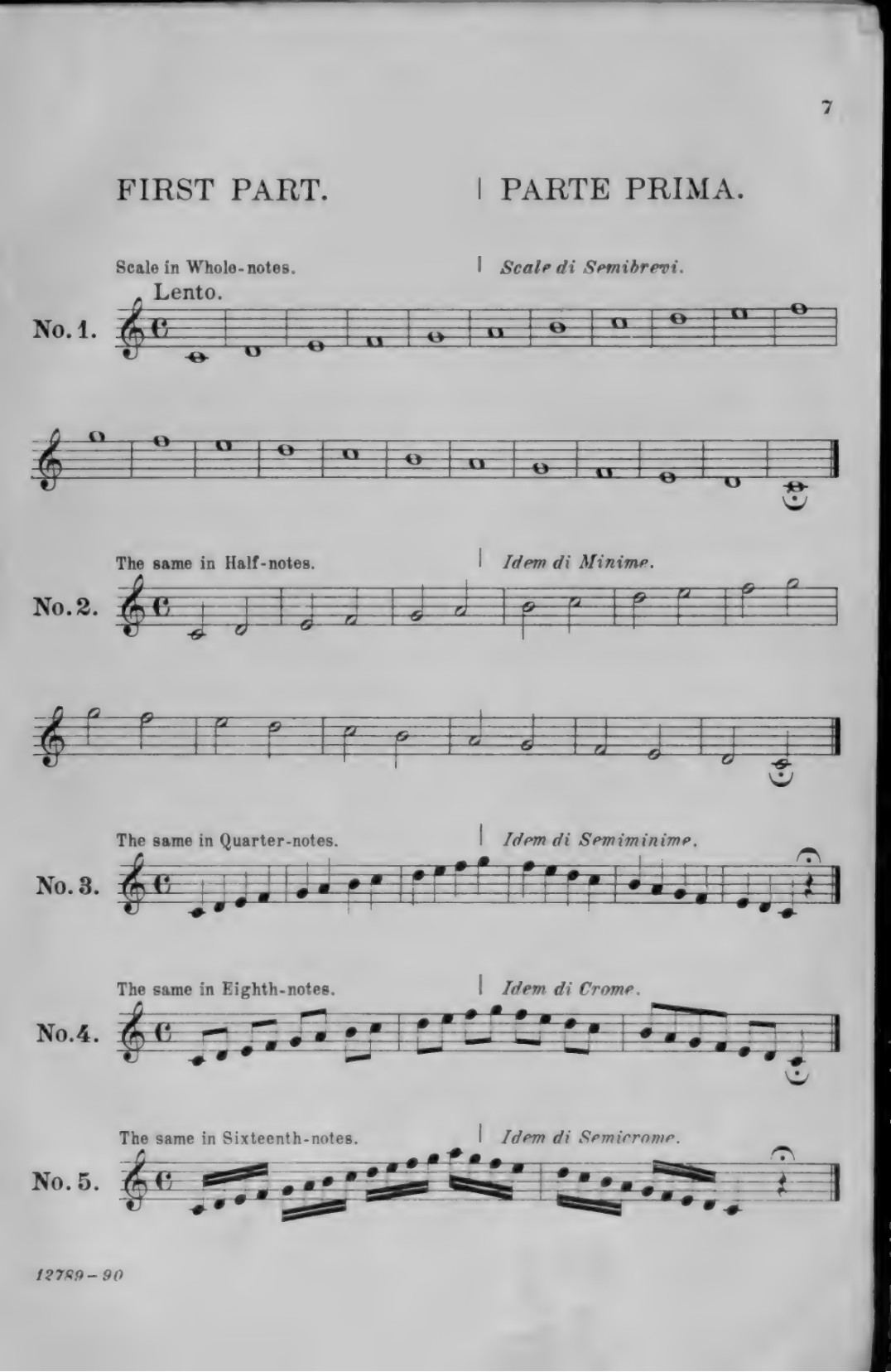
Practice rhythm through 120 graded studies, with playable notation and original scans.
Verified 126 of 126 examples playable
Open book -
Piano
Standard Graded Course of Studies, Grade I
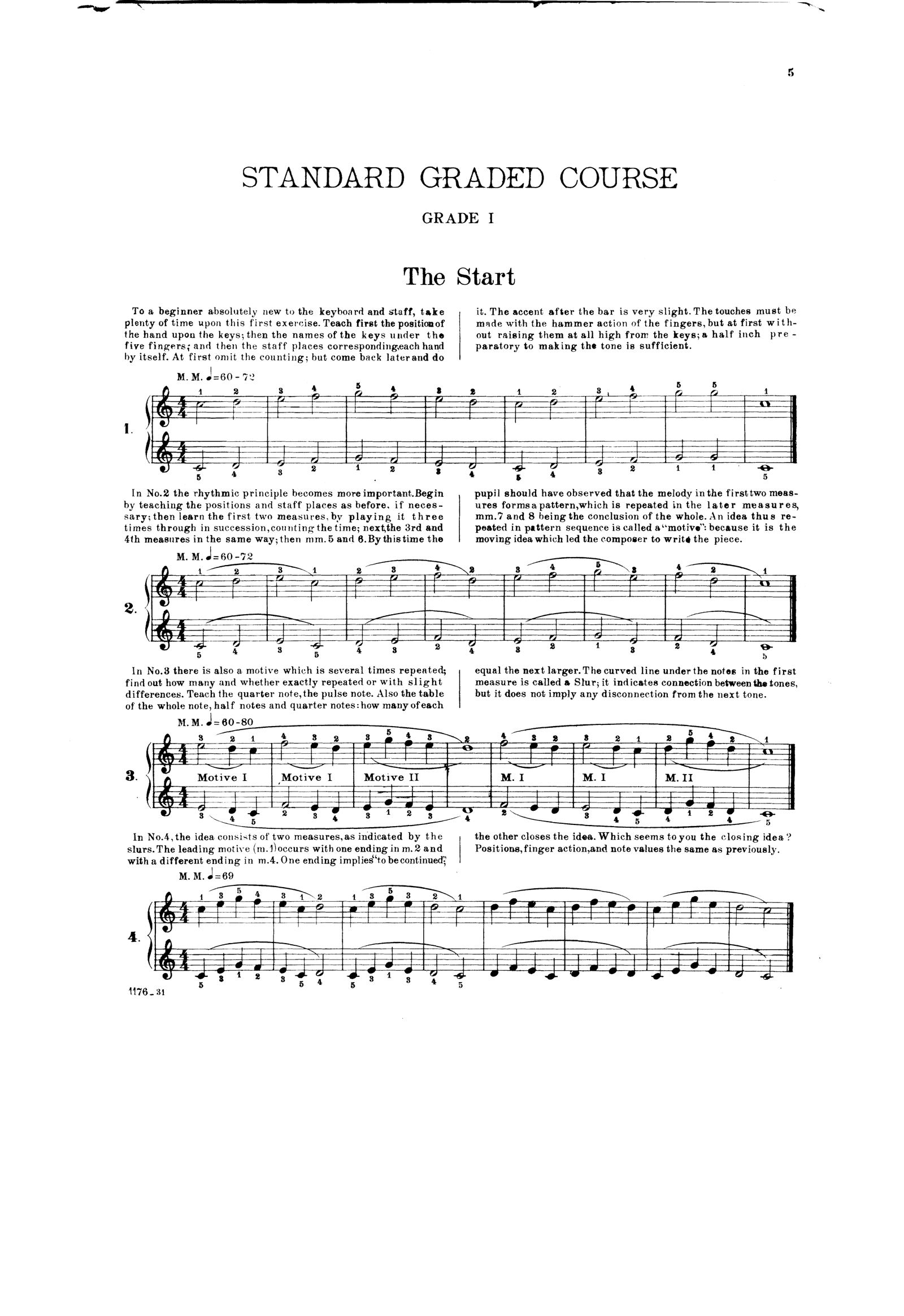
A first year of piano: 136 short pieces by many composers, every one playable, with Mathews’s teaching notes.
Verified 136 of 136 examples playable
Open book
In progress
-
Counterpoint
Gradus ad Parnassum
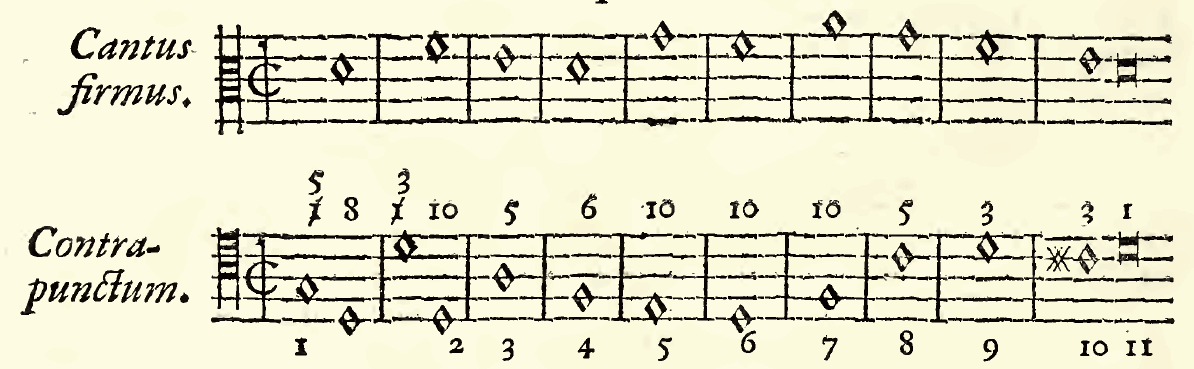
Learn how independent voices work together, one species at a time.
In review 389 of 436 examples playable
Open book -
Counterpoint
Exercises in Elementary Counterpoint
Build independent melodies through graded exercises, with 471 recorded examples.
In review 471 of 471 examples playable
Open book -
Counterpoint
Counterpoint Applied
Study imitation, canon, and fugue with 393 recorded examples.
In review 393 of 393 examples playable
Open book -
Counterpoint
Counterpoint for Beginners
Strict counterpoint in two and three parts, species by species, with every example playable.
In review 376 of 376 examples playable
Open book -
Harmony
Treatise on Harmony
Explore the foundations of harmony, composition, and accompaniment.
In review 408 of 409 examples playable
Open book -
Harmony
Practical Manual of Harmony
The classic harmony course, newly translated from the 1910 French edition, with all 640 examples playable.
In review 640 of 640 examples playable
Open book -
Harmony
Partimenti
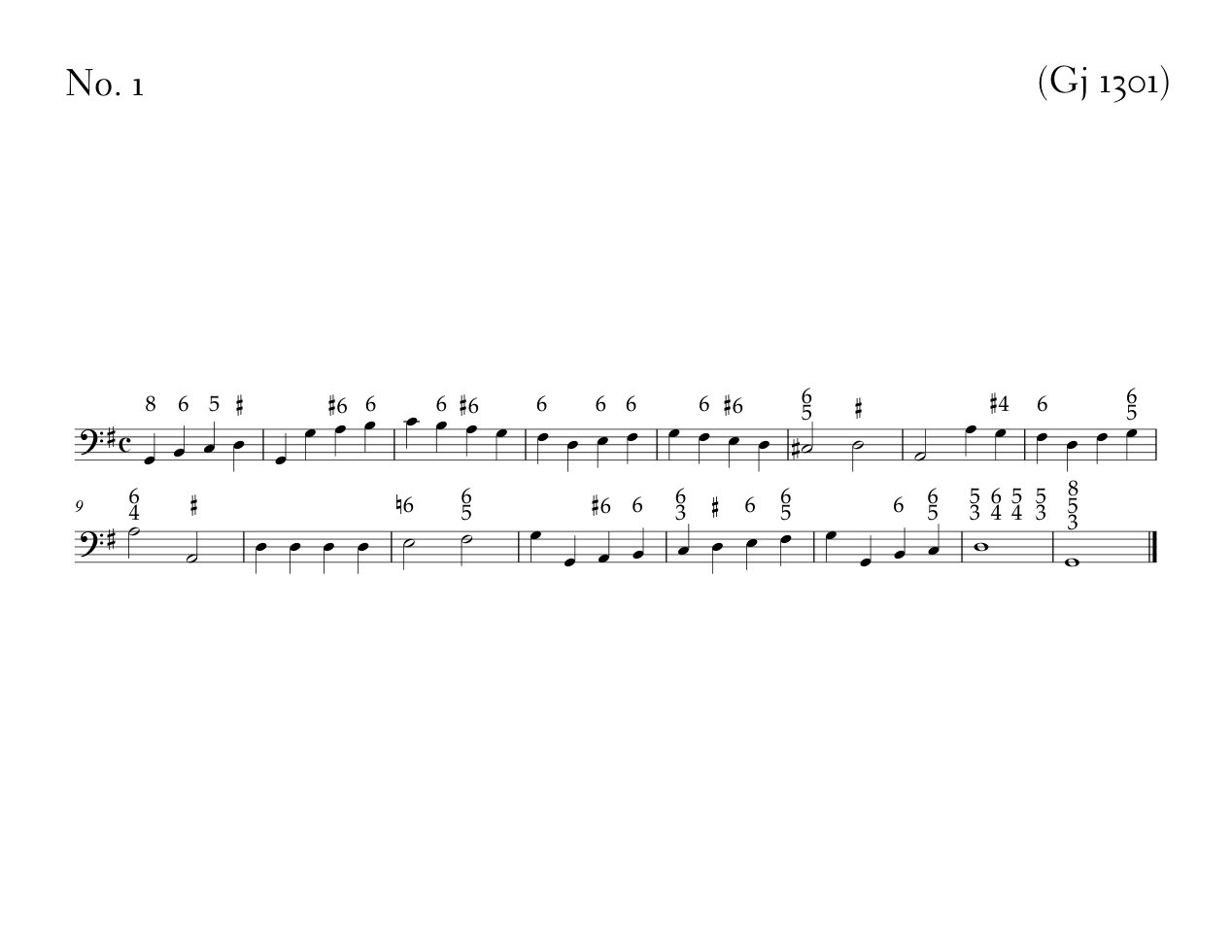
Six books of partimenti, with playable basses, contrapuntal exercises, and bilingual rules.
In review 260 of 260 examples playable
Open book -
Harmony
Harmonic Analysis
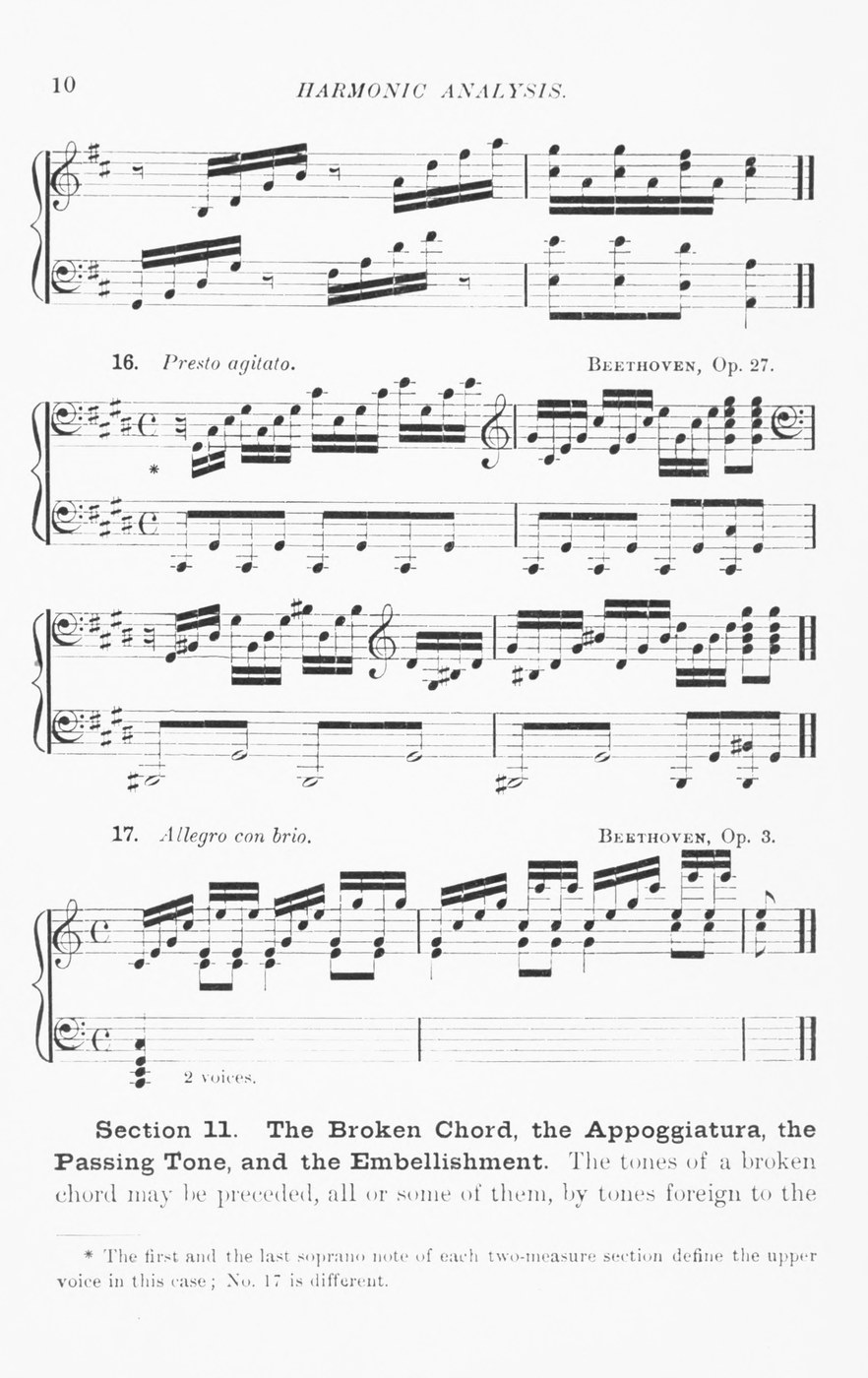
Learn to name every chord and non-harmonic tone in real music, from Bach to Wagner, with the passages playable.
In review 164 of 164 examples playable
Open book -
Harmony
Theory of Harmony
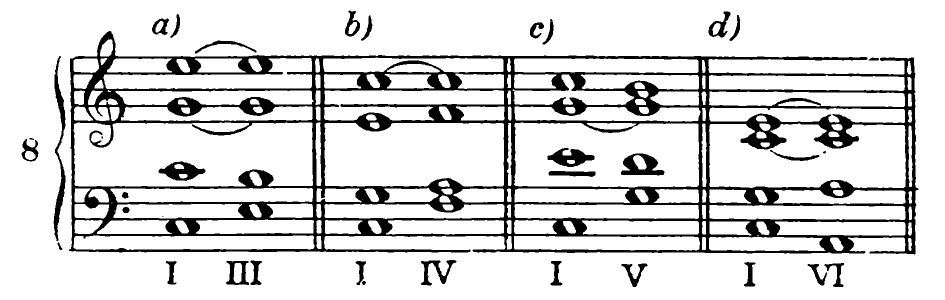
Read all 22 chapters, with the original German beside a new English translation.
In review 618 of 637 examples playable
Open book -
Orchestration
Principles of Orchestration
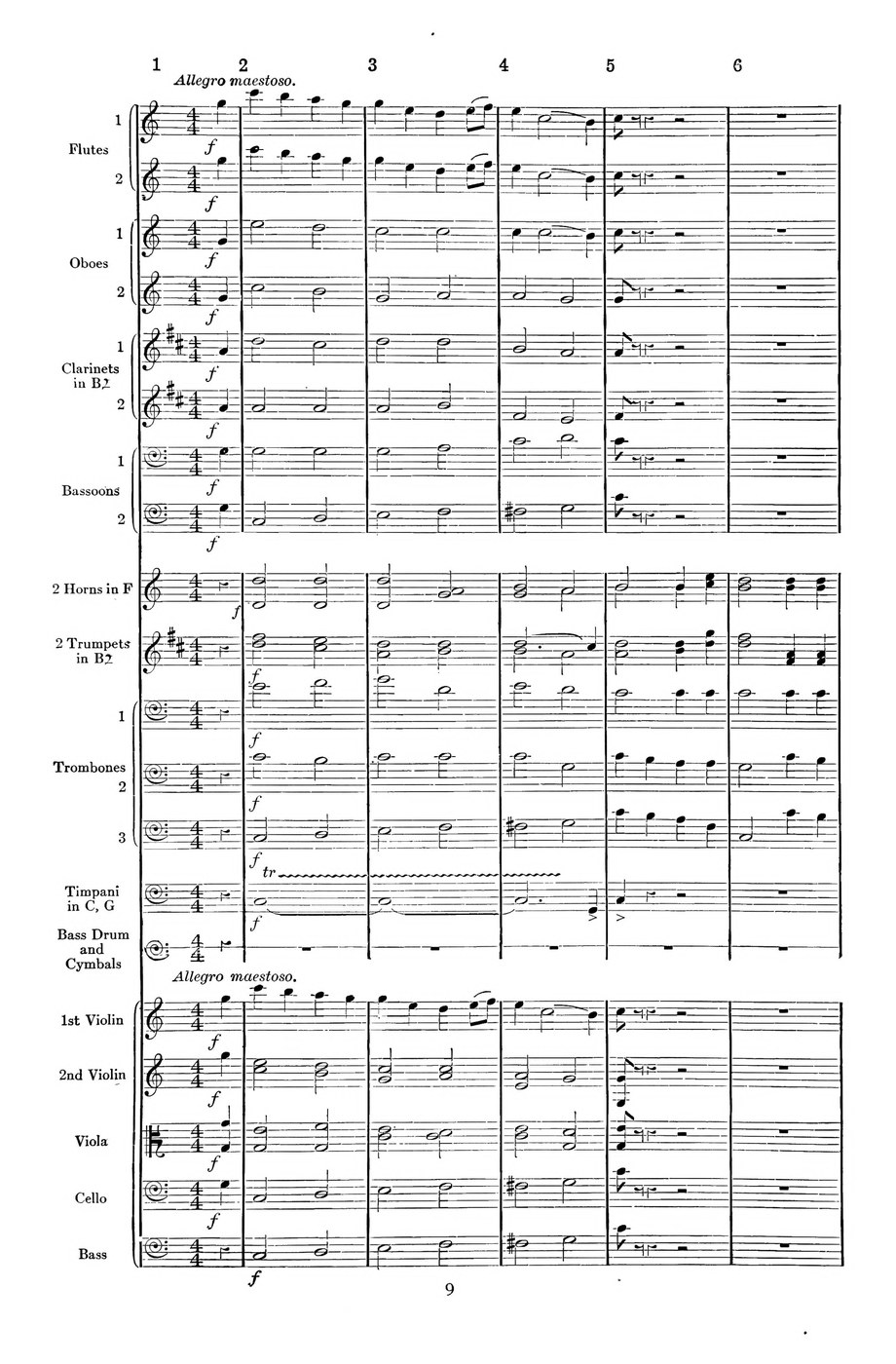
Discover instrumental colors through scores and orchestral recordings.
In review 407 of 407 examples playable
Open book -
Orchestration
Orchestration
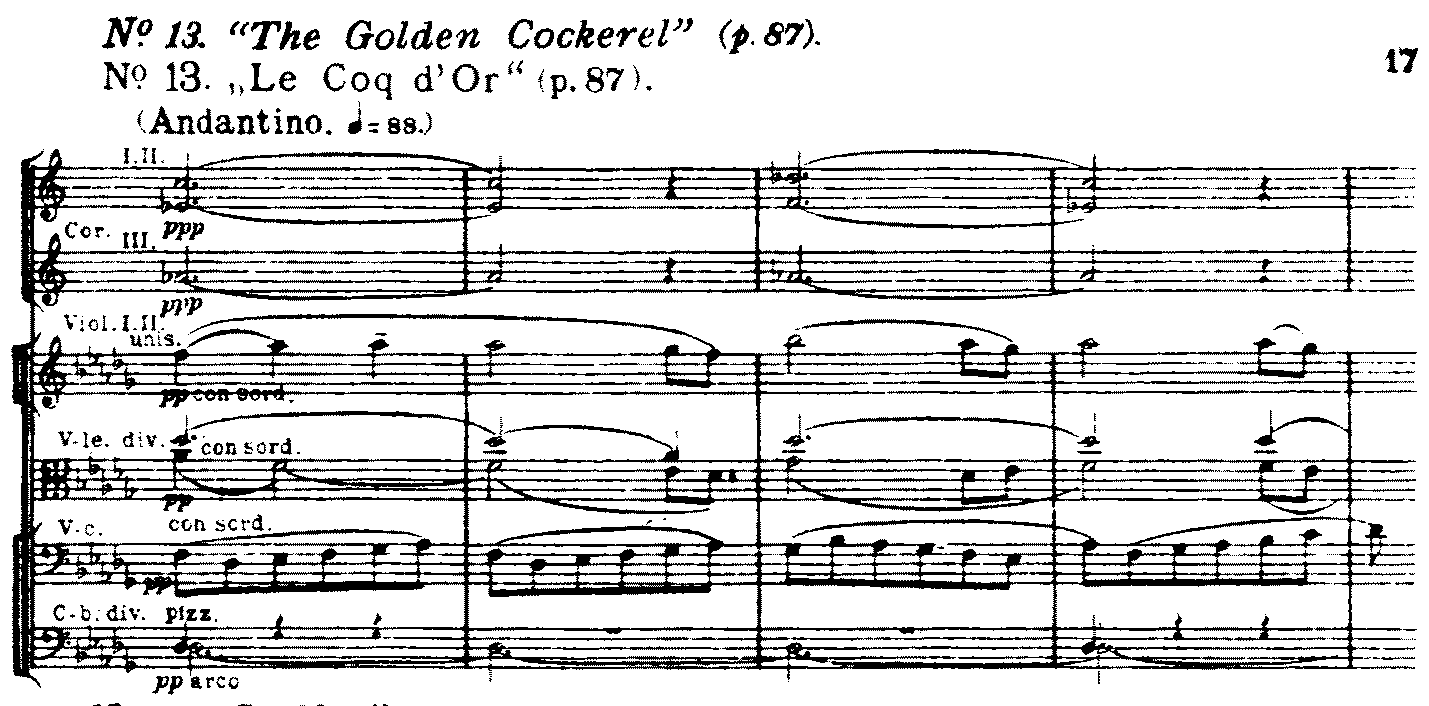
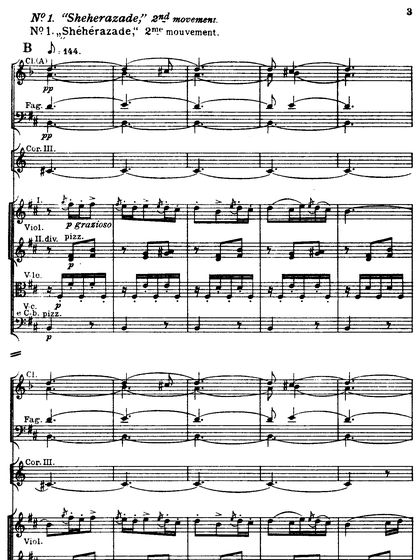
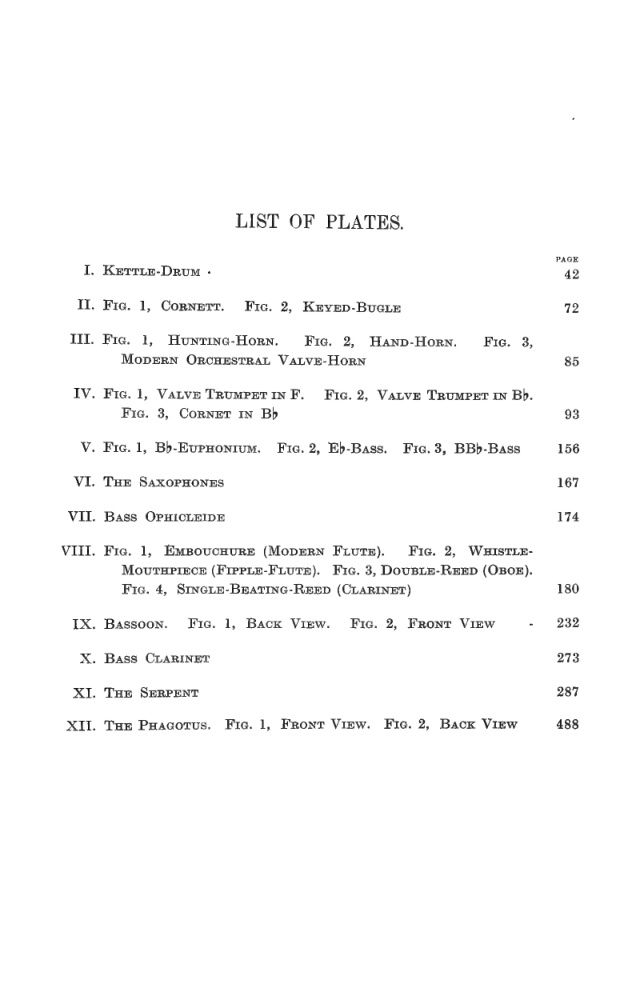
A witty, thorough guide to every orchestral instrument, with the original pages.
In review 771 of 799 examples playable
Open book -
Orchestration
Choral Orchestration
A whole Te Deum orchestrated bar by bar, with Forsyth’s reasons, the full score and the vocal score playable.
In review 128 of 128 examples playable
Open book -
Orchestration
Treatise on Instrumentation
Berlioz’s treatise on the orchestra, revised by Richard Strauss, with the original pages.
In review 1 of 977 examples playable
Open book -
Orchestration
Creative Orchestration
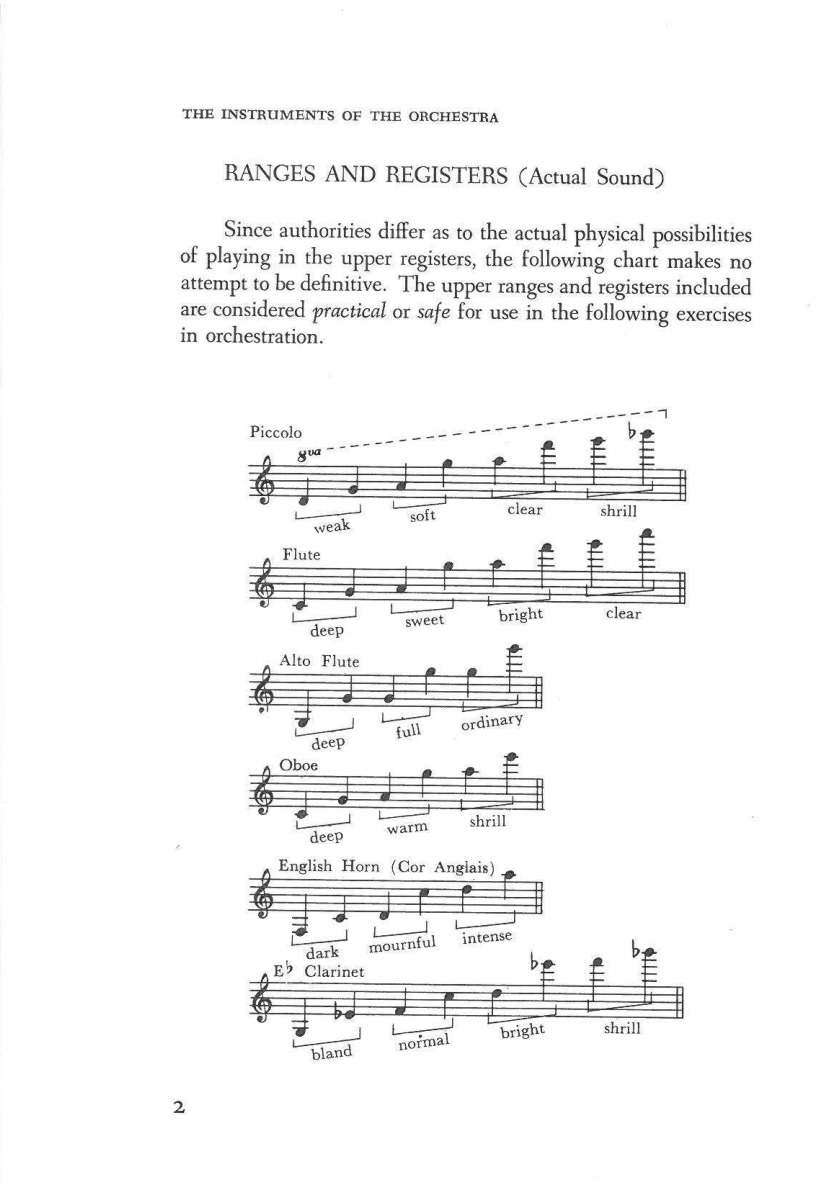
Ranges, transpositions, texture and balance, taught through projects, with the supplied examples played by orchestral samples.
In review 242 of 248 examples playable
Open book -
Piano
The Virtuoso-Pianist
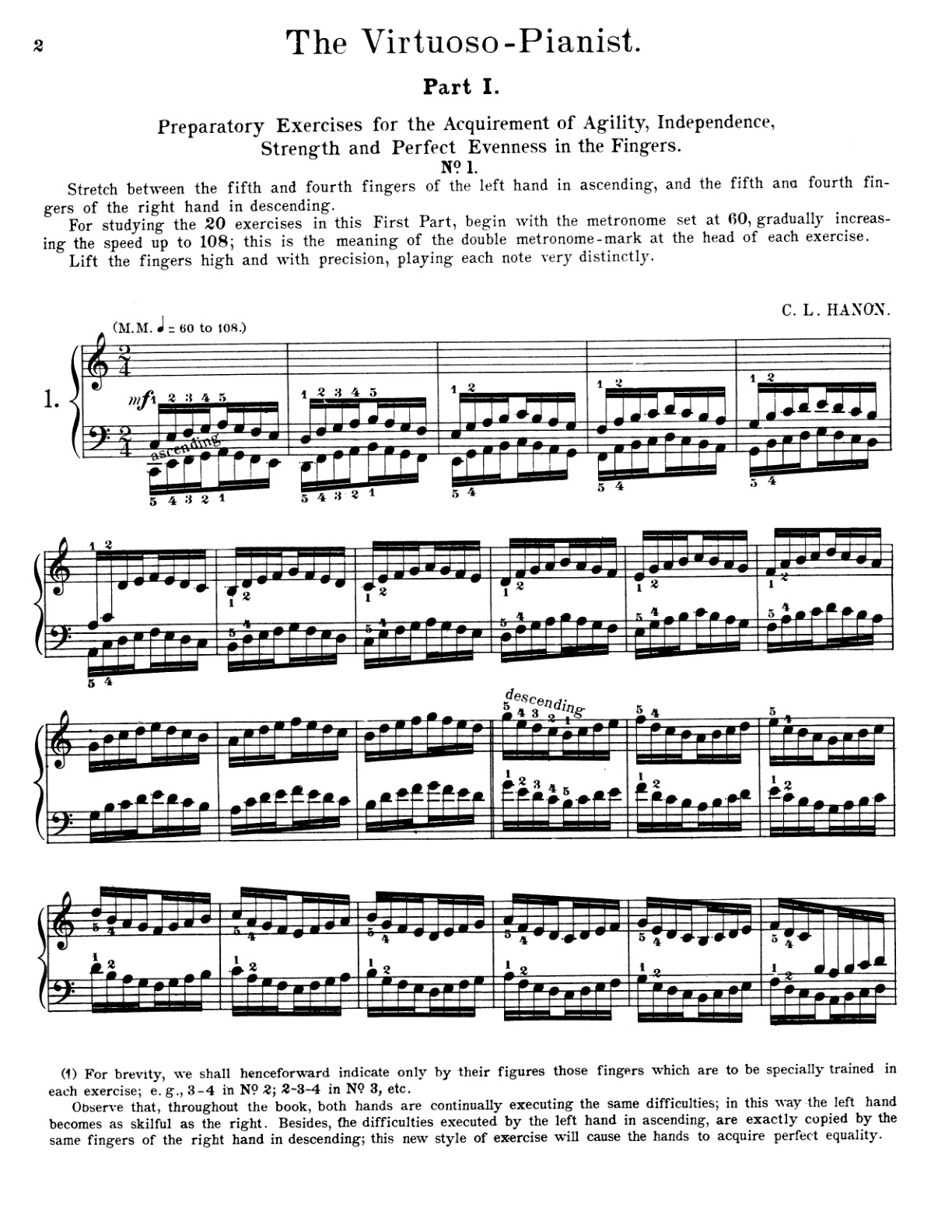
Practise all 60 exercises with playable notation, original scans and supplied Mutopia playback.
In review 199 of 199 examples playable
Open book

Verified Every example plays, and the edition has been checked against the original.In review Readable now; examples are still being transcribed or checked against the original.Text only The text with its original notation; no example plays yet.
LOOK UP AN IDEA
A concept index across every book.
The core ideas of theory — species counterpoint, figured bass, voice leading, cadences and more — each gathered from every book that teaches it, with the passages and playable examples beside it.
Species counterpoint · Cantus firmus · Voice leading · Suspension · Imitation · Fugue · Cadence · Modulation · Figured bass · Triads · Seventh chords
Browse the whole concept index →Read with clarity
Choose a reading that works for you, and compare it with the original text.
Listen as you learn
Play musical examples and slow them down to hear how the parts fit together.
Stay close to the source
Compare rendered notation with the printed music, and open the original page scans.
WHY I’M MAKING THIS
Music books shouldn’t
feel out of reach.
For a long time, I felt blocked from learning through music textbooks. I wanted to hear what the pages were trying to teach me.
With William Caplin’s permission, I built the companion app for Analyzing Classical Form. Playable Books grows from that same desire: to help more people learn from these books.
Mayank Sanganeria ↗WHAT WOULD YOU LIKE TO LEARN?
Your next book
could be a playable book.
I’m taking requests for future conversions. Tell me the title you have in mind, and I’ll get in touch.